Lars Oberhofer
← All work

Photography

Film · 23 photographs

I shoot on film, and the physics of film interests me as much as the picture. Every photograph here is analog.
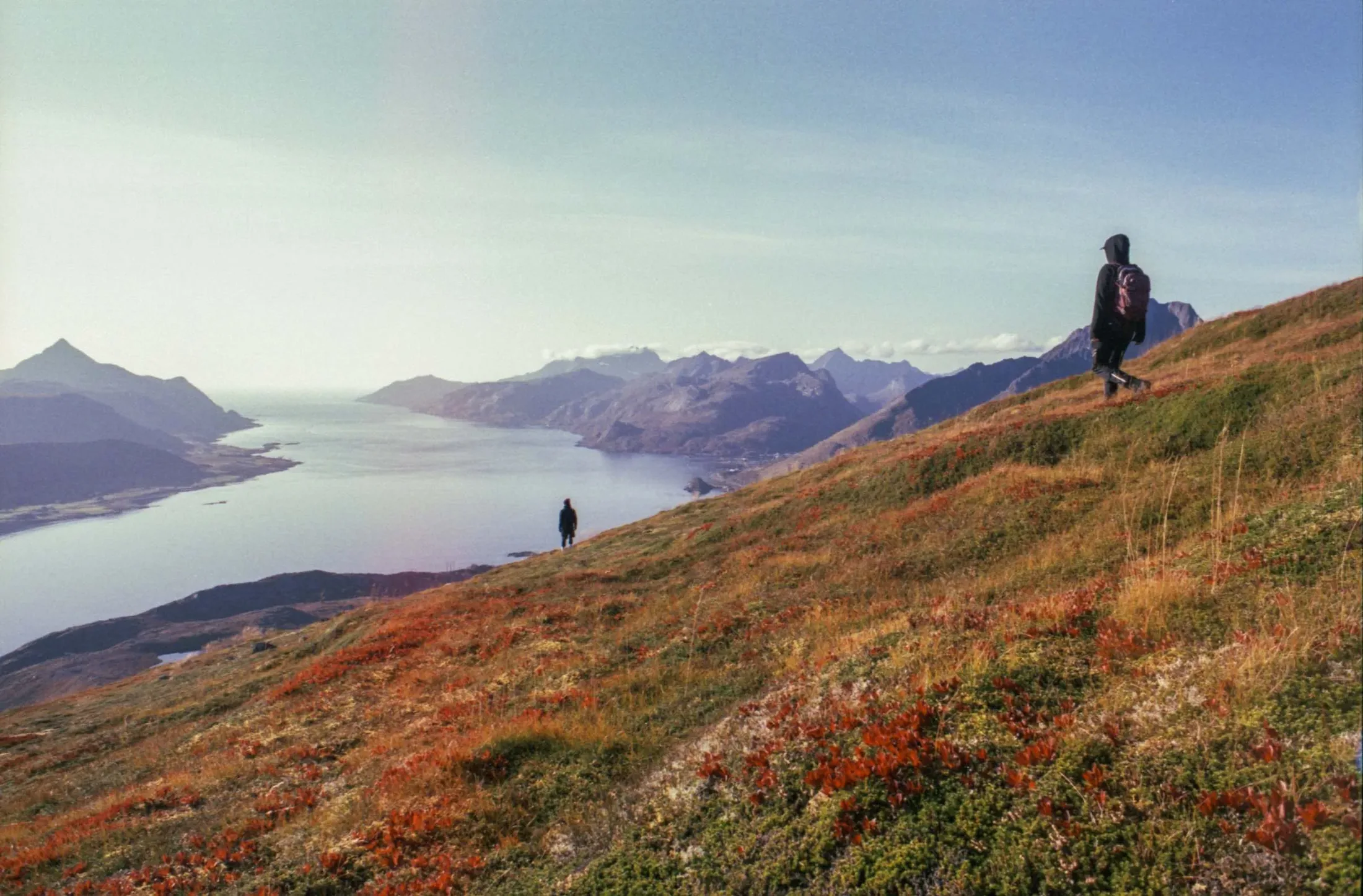
A person standing on an autumn hillside above a fjord and distant mountains
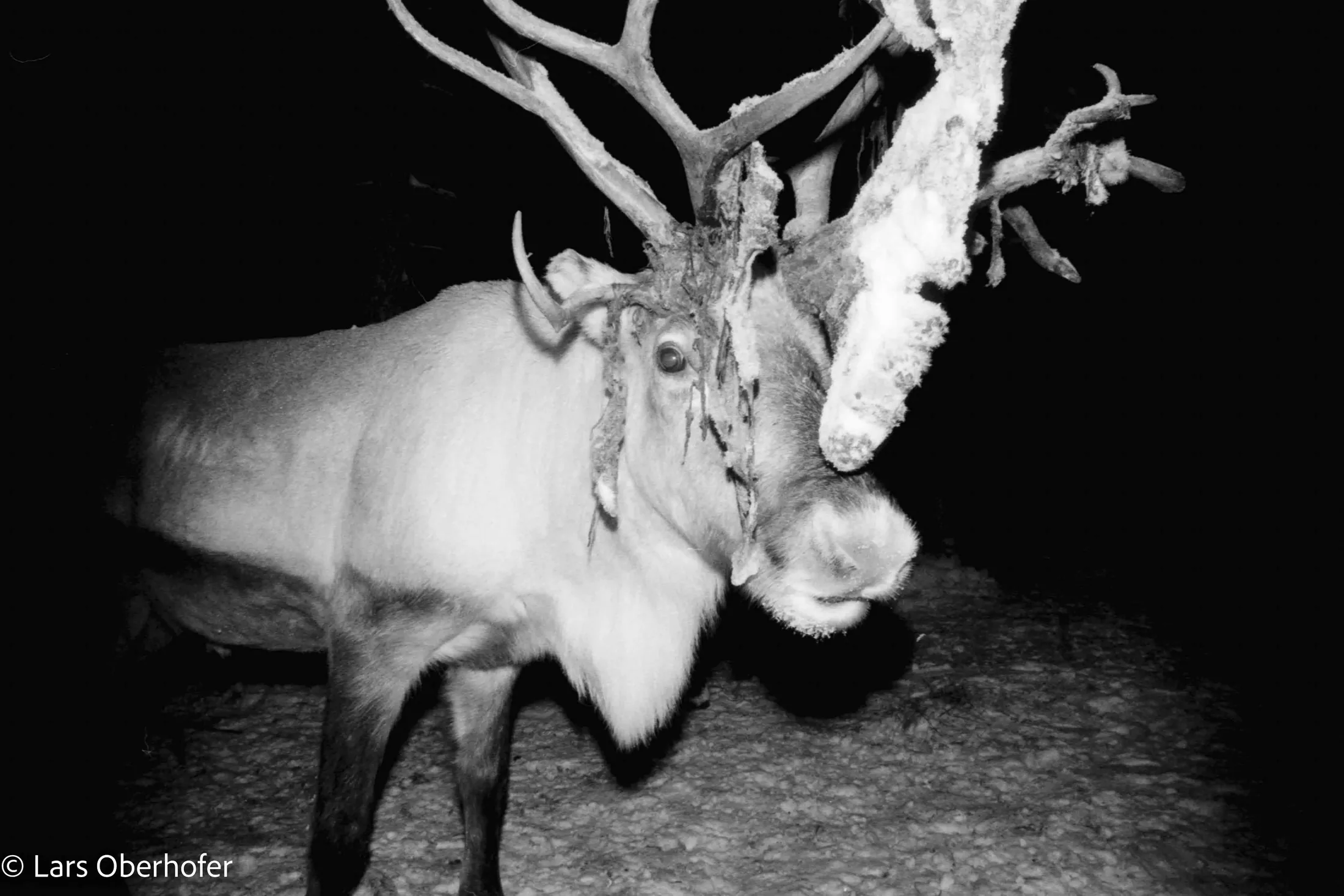
A reindeer lit by flash at night, black and white
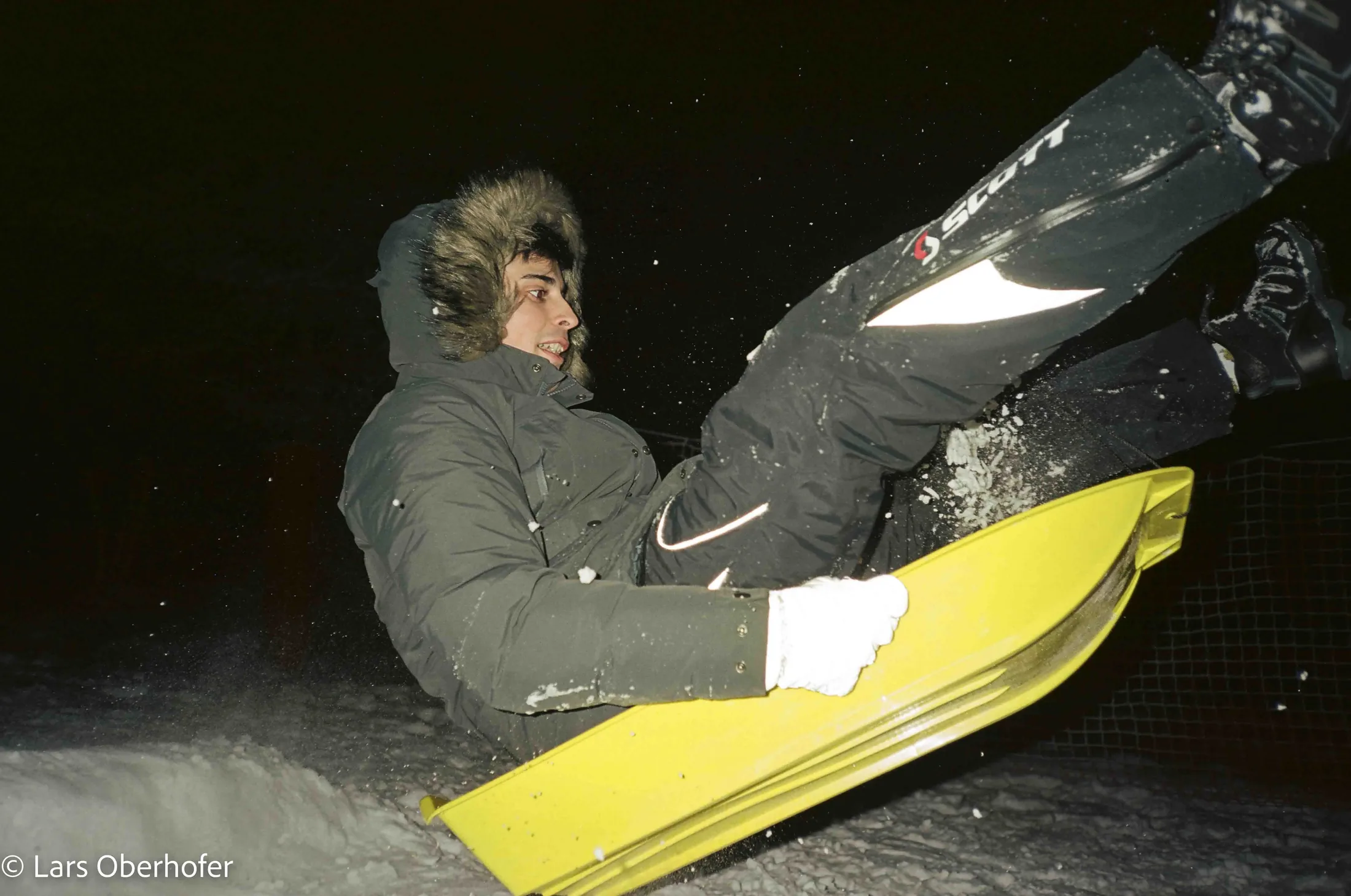
Someone in a winter coat on a yellow sledge at night, lit by flash
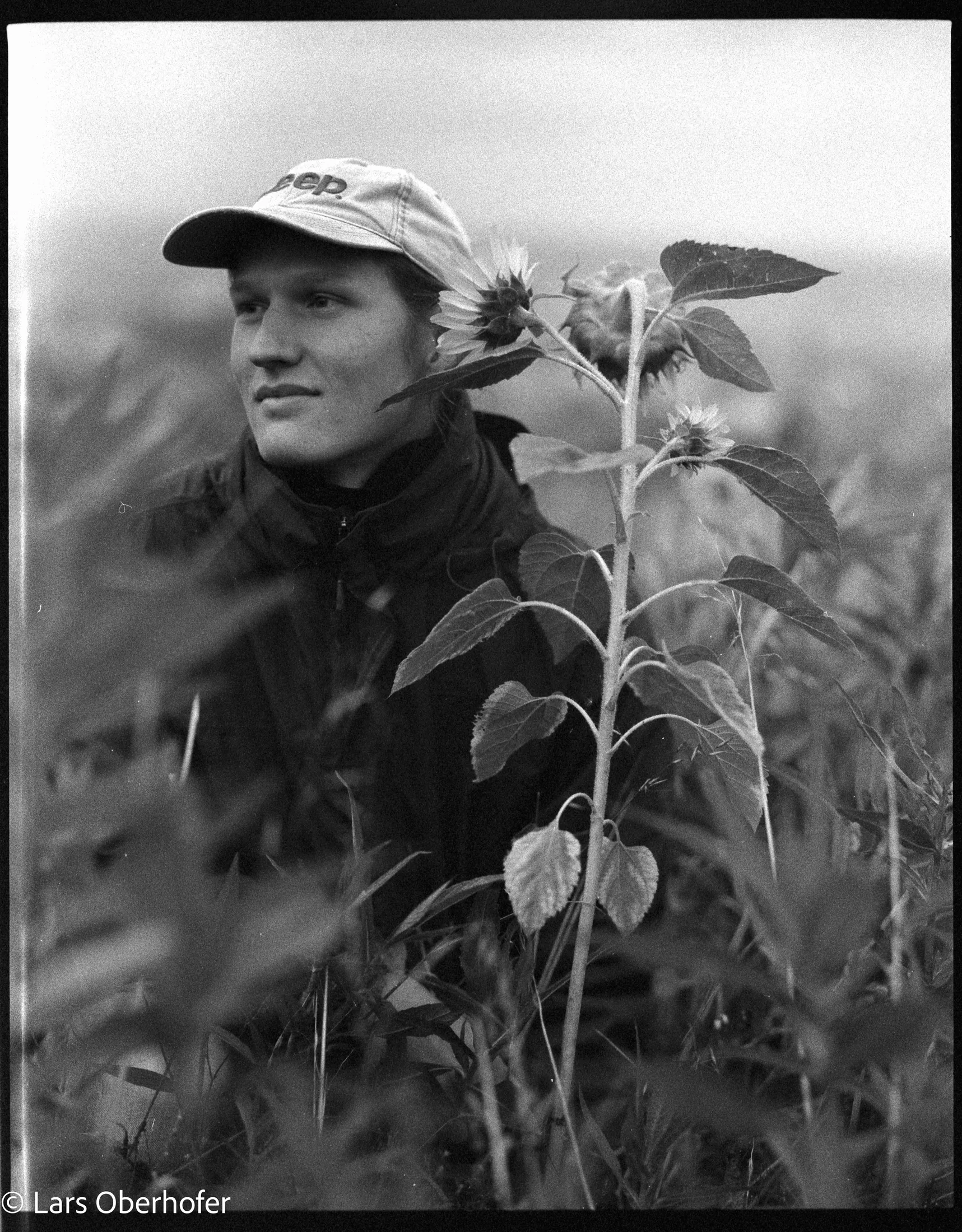
Black-and-white portrait of a young man in a cap beside a sunflower
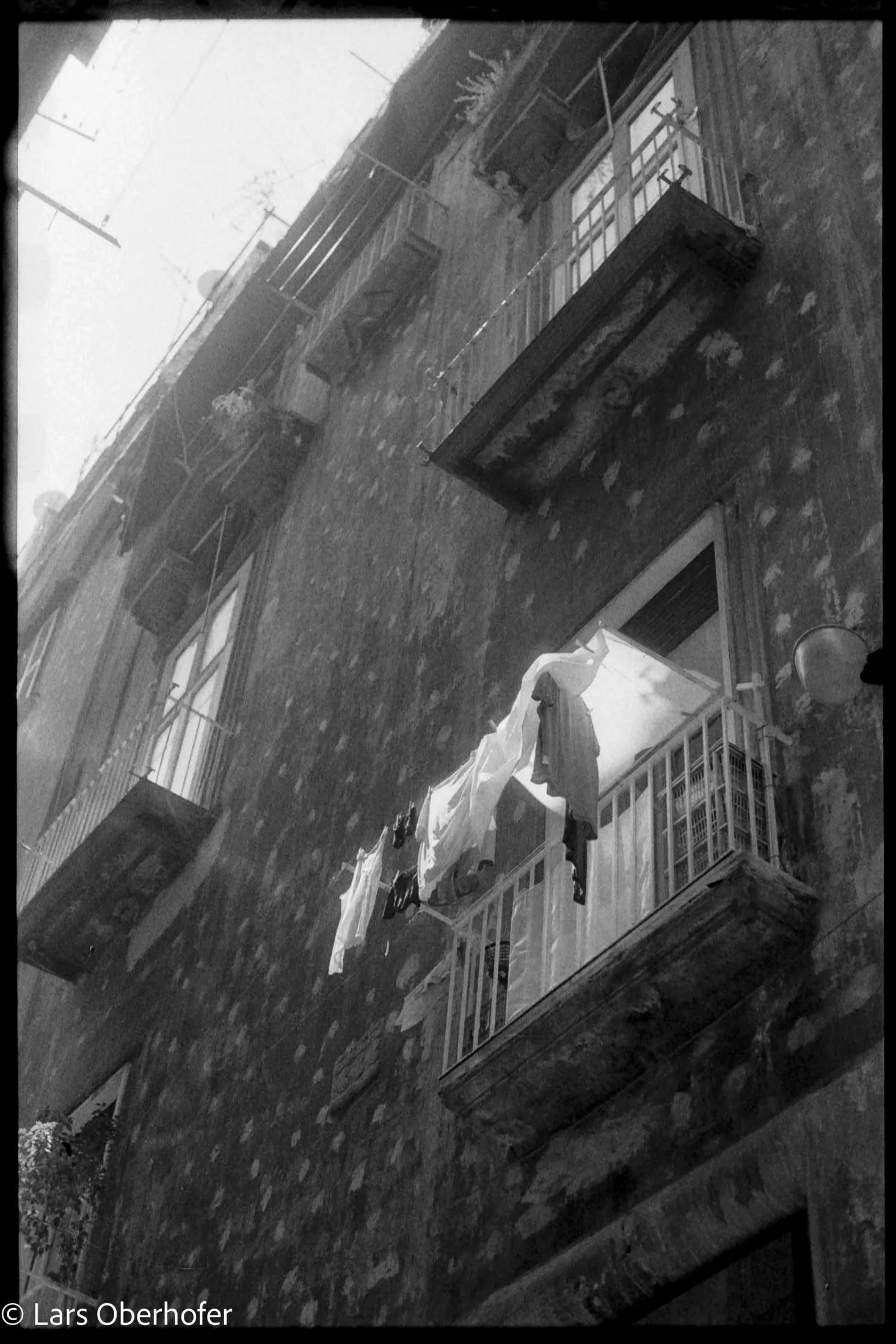
A black-and-white facade from below, with washing hanging from a balcony
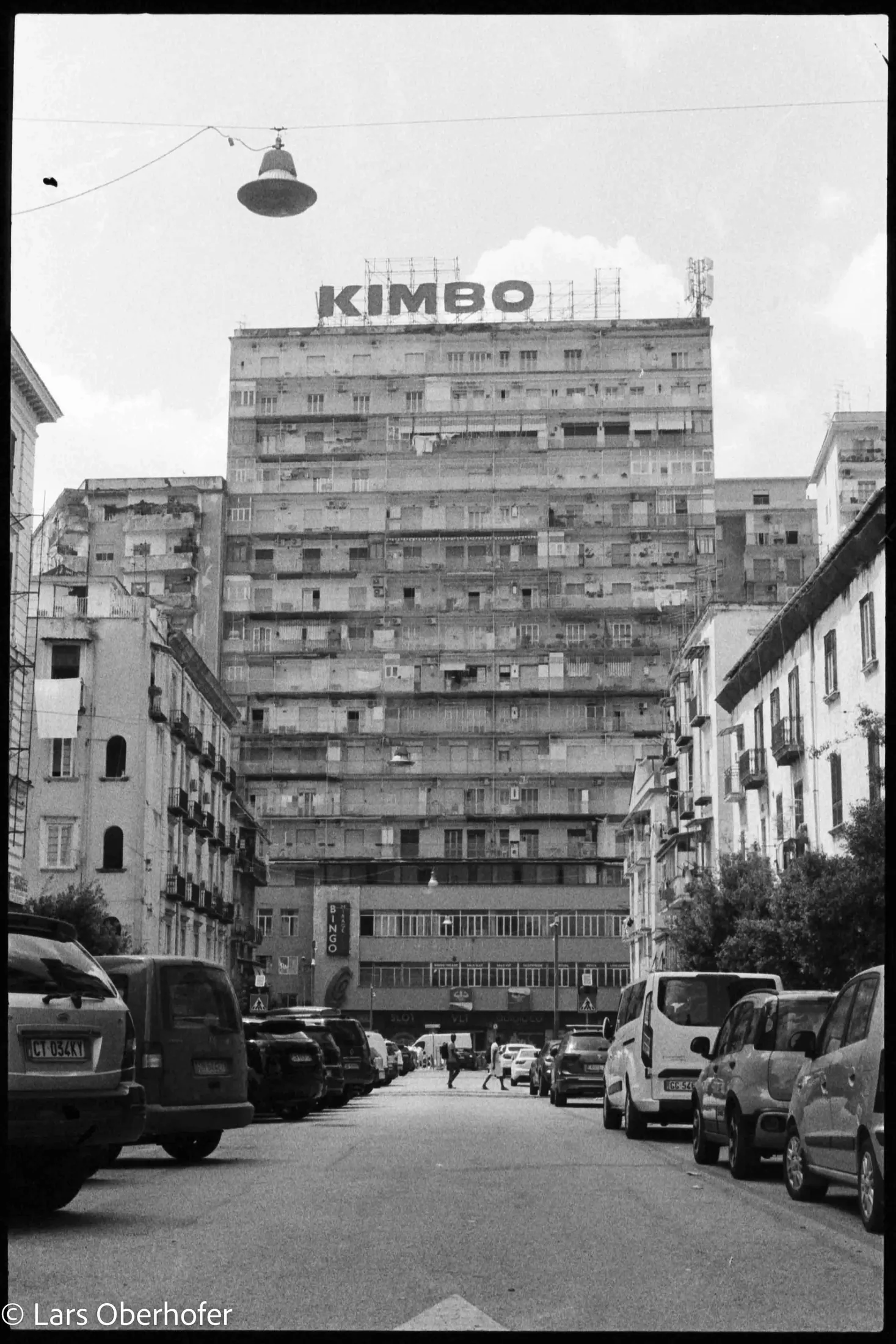
A black-and-white street with a tall apartment block carrying a KIMBO sign
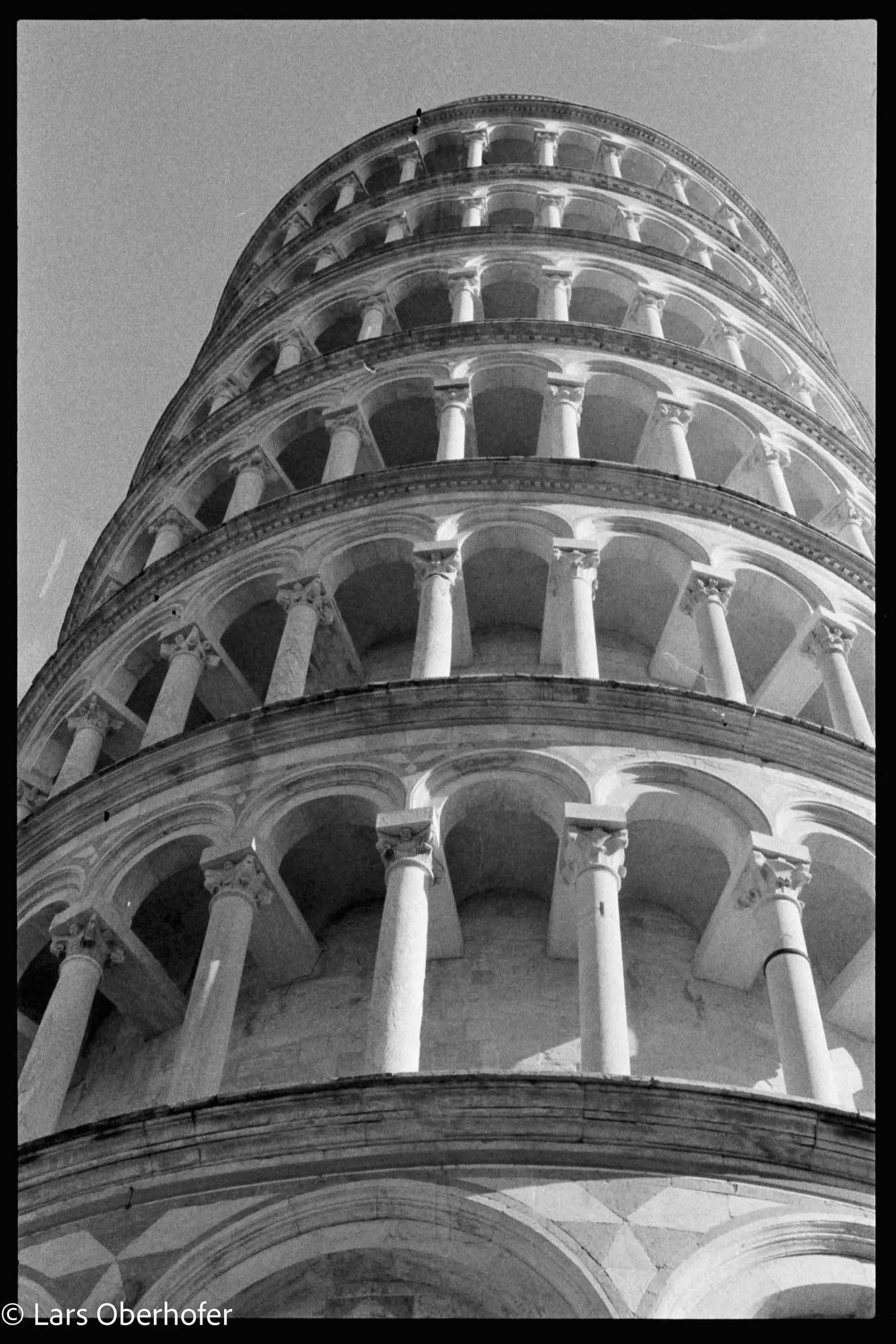
The leaning tower of Pisa from below, in black and white
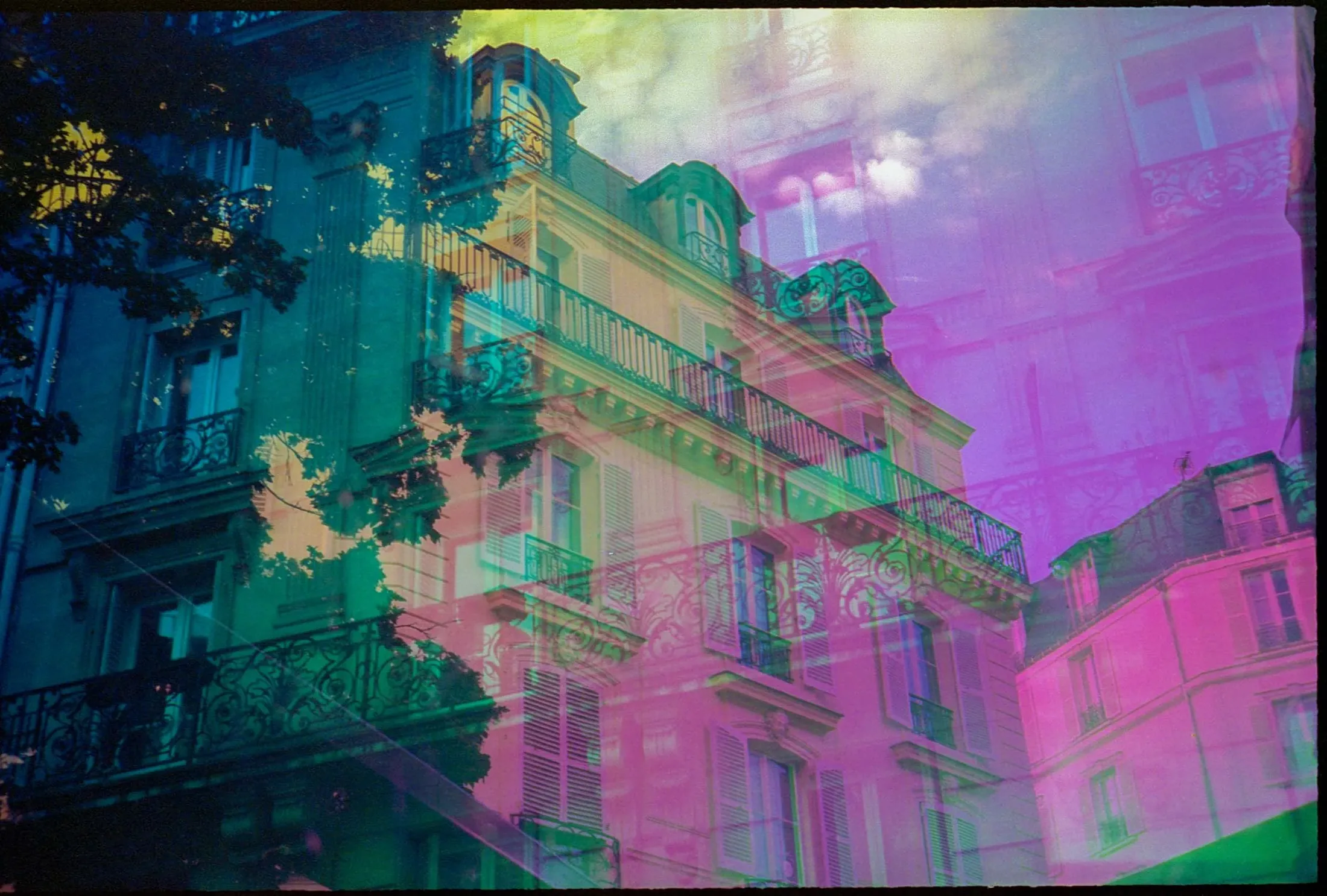
A facade in layered green, violet and pink
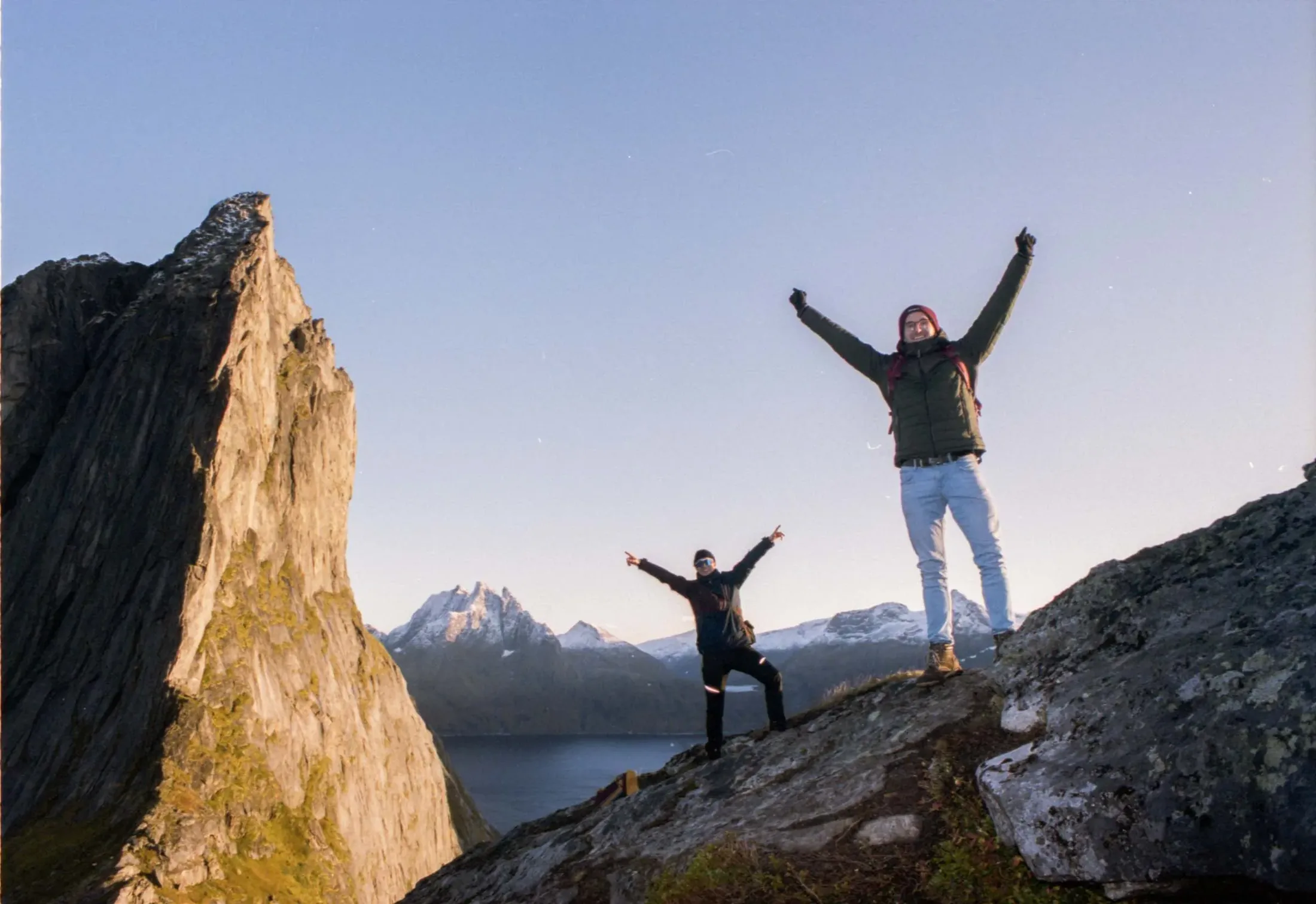
Two people with their arms raised on a rocky ridge above a fjord
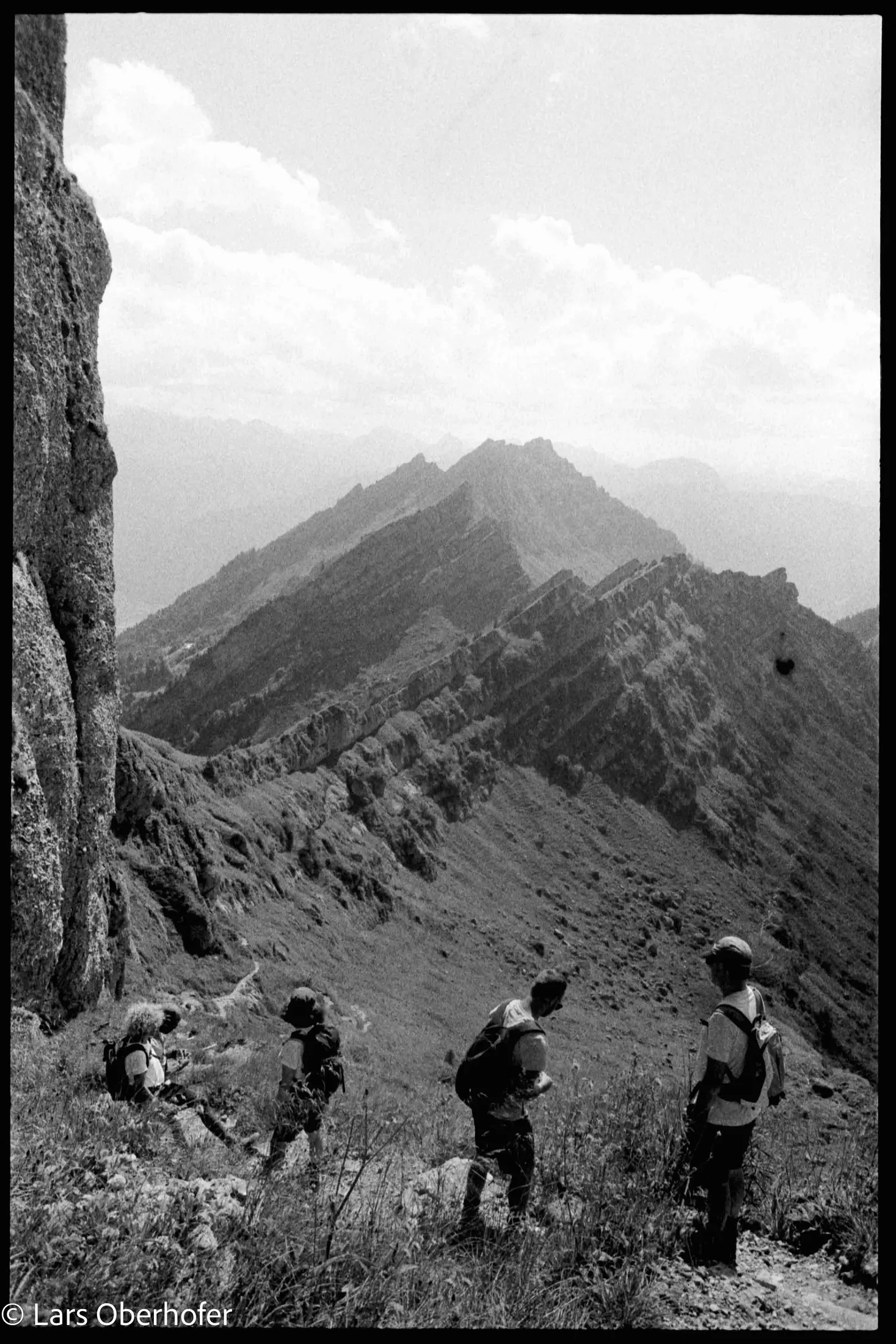
A black-and-white mountain ridge with hikers in the foreground
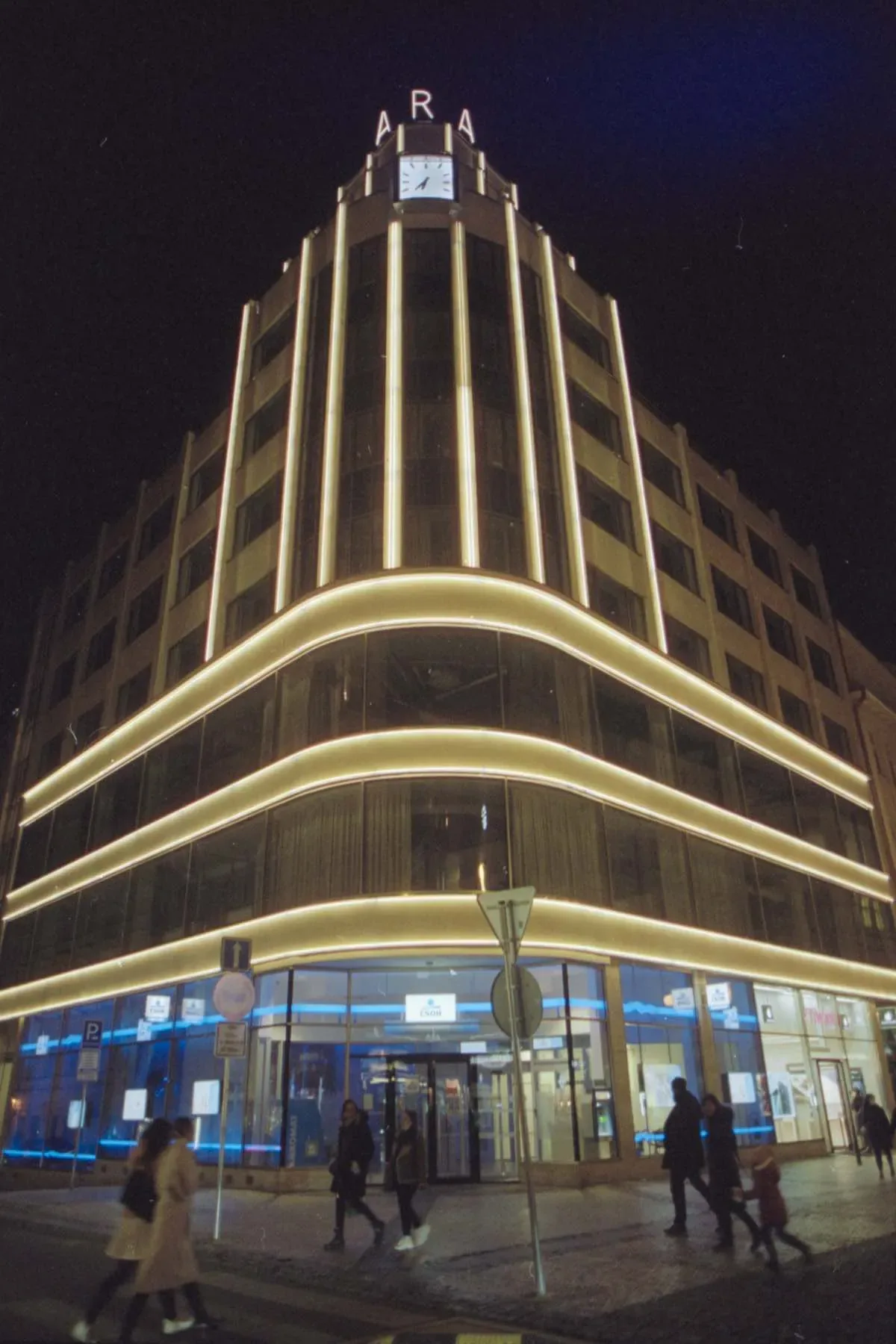
A curved corner building lit at night
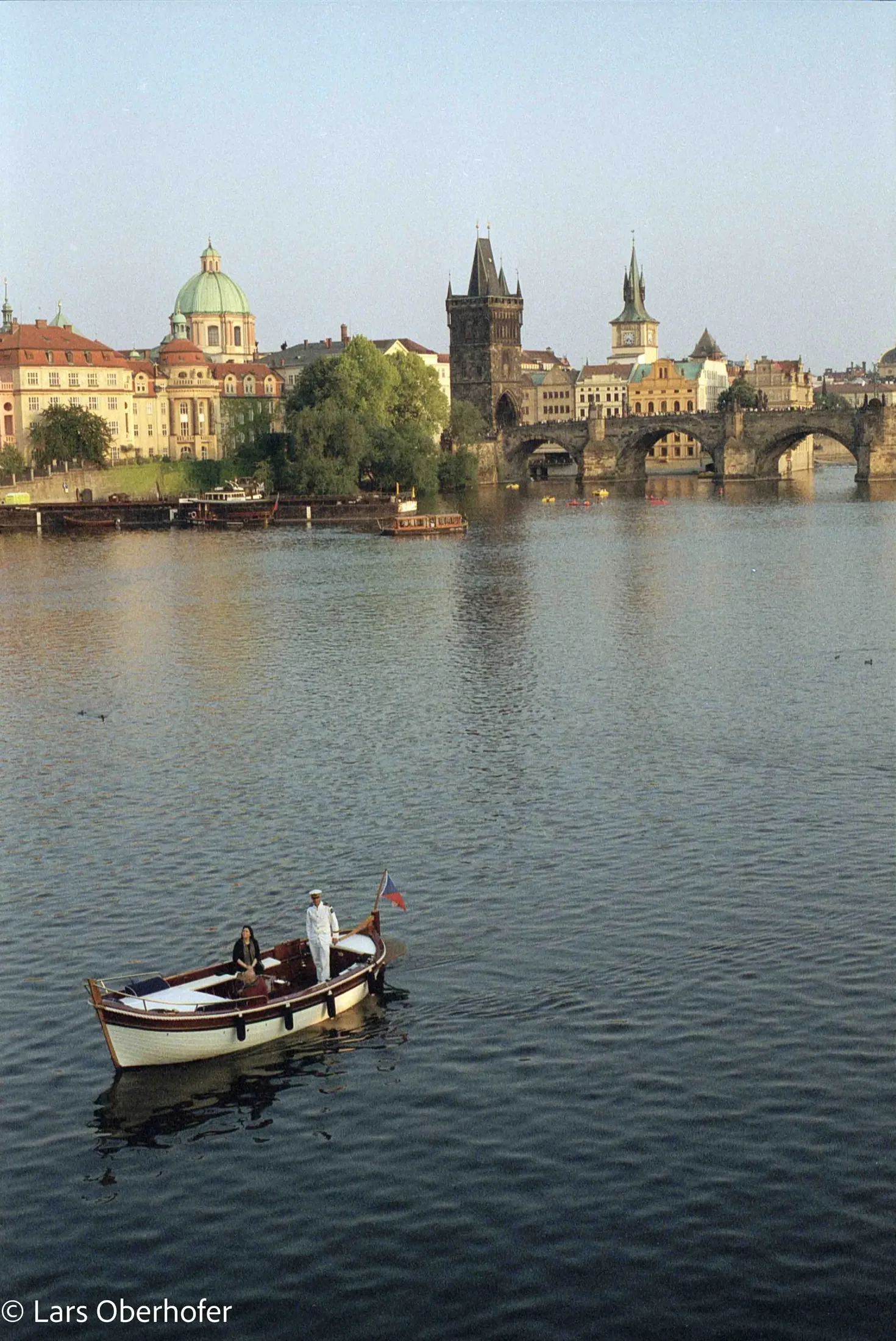
A rowing boat on a river below a city’s towers
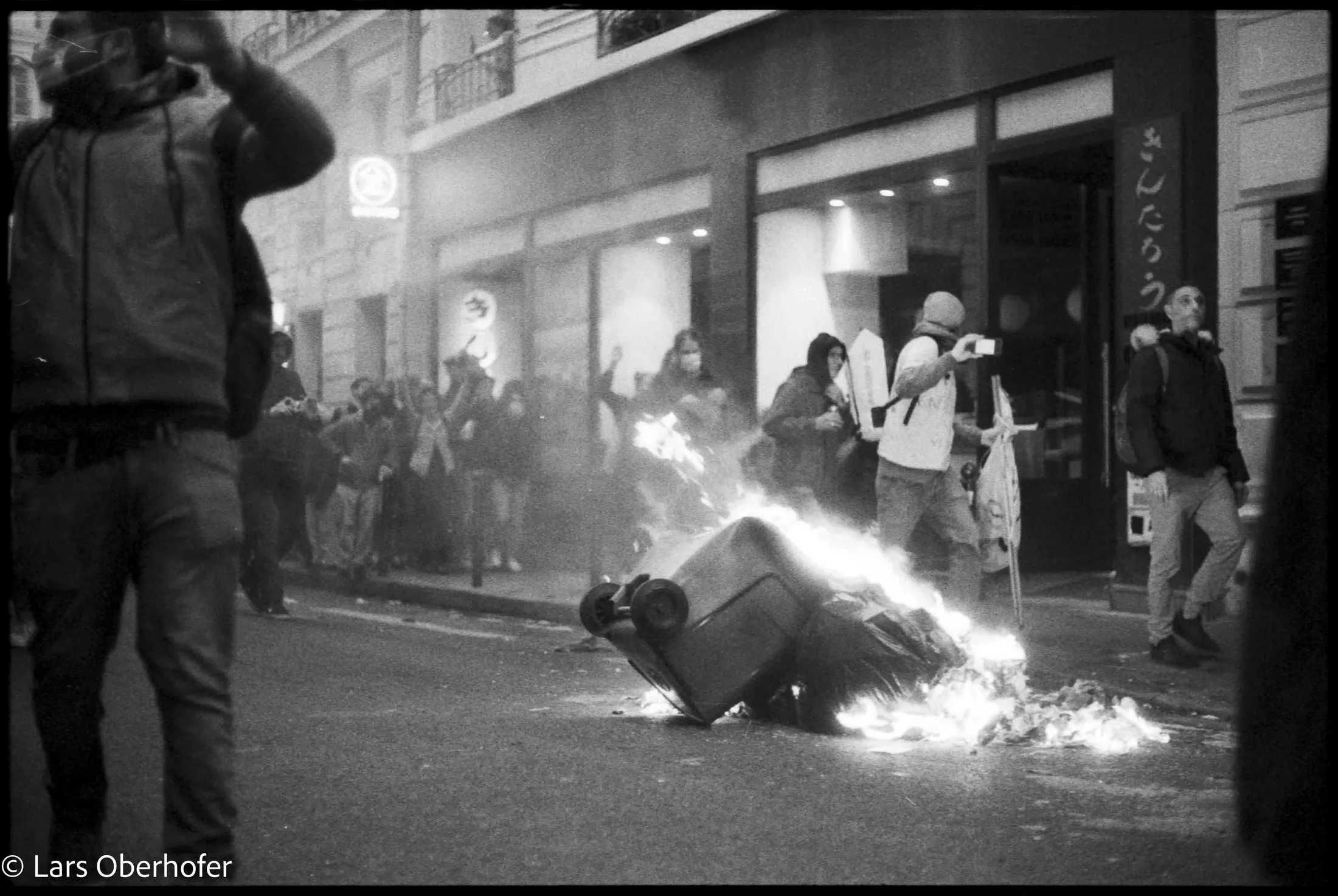
A black-and-white street scene with people around a burning bin
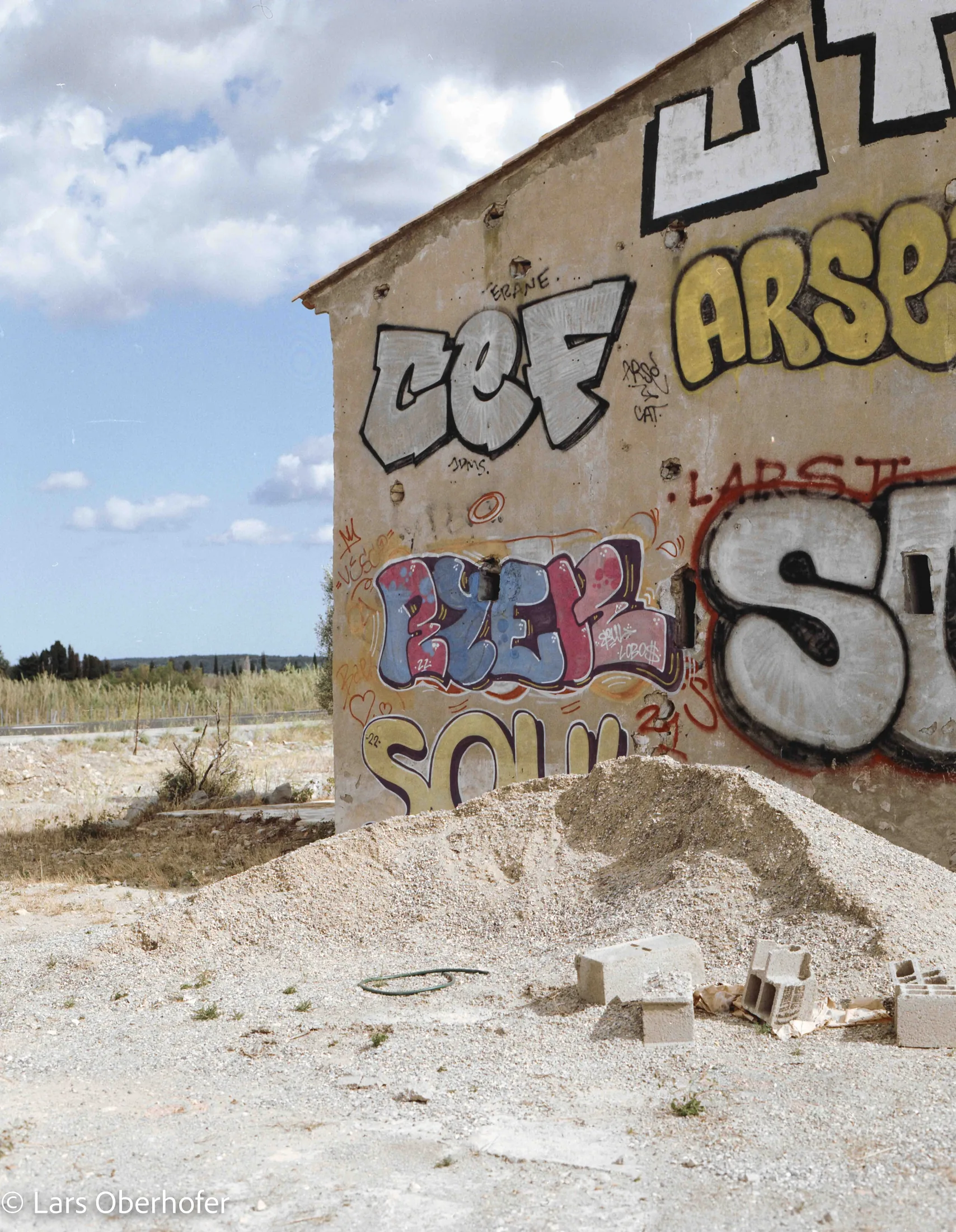
A ruined wall covered in graffiti on a sandy building site
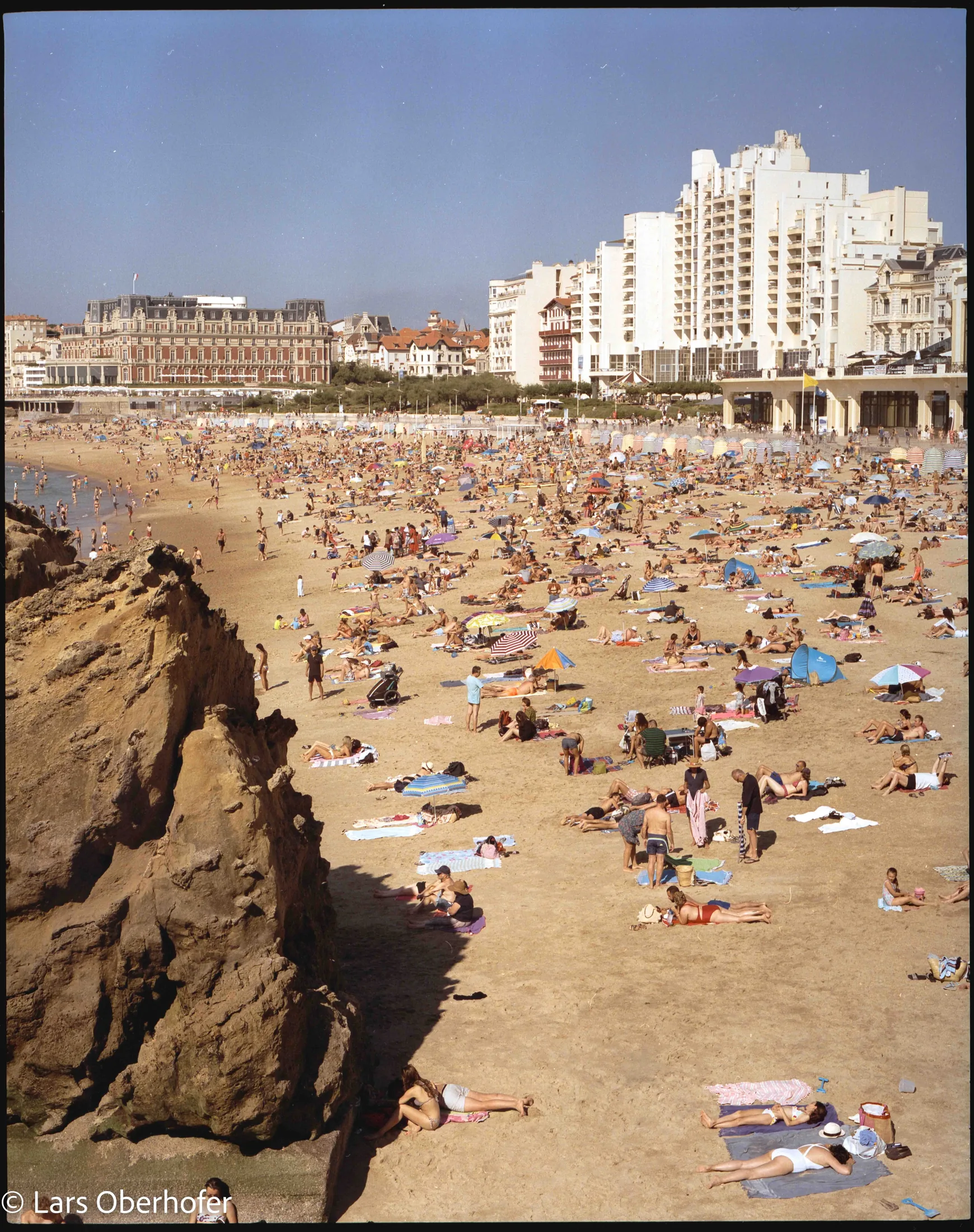
A crowded beach below a rocky outcrop and white apartment blocks
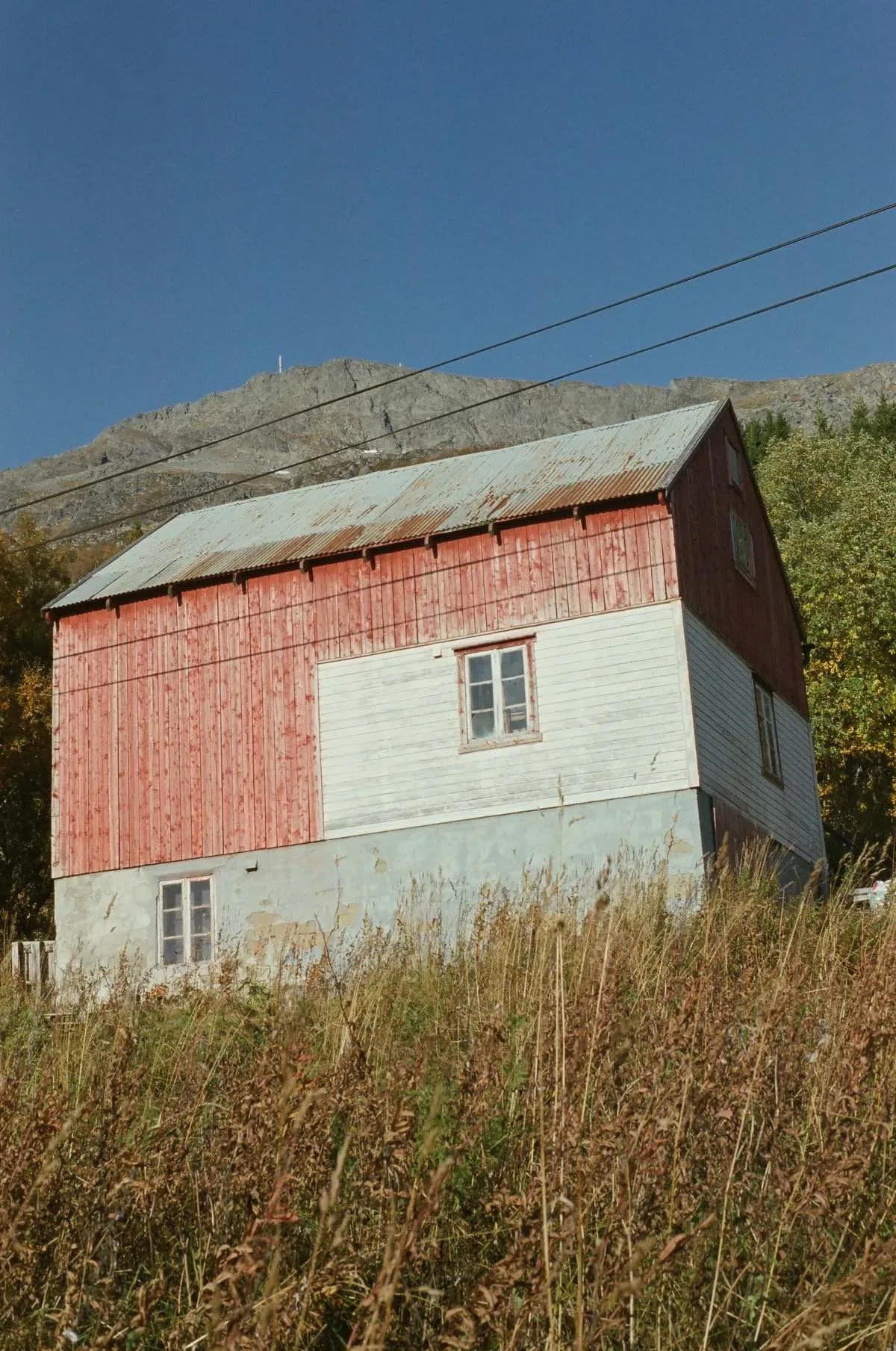
A red timber building beneath a rocky mountain, with wires crossing the sky
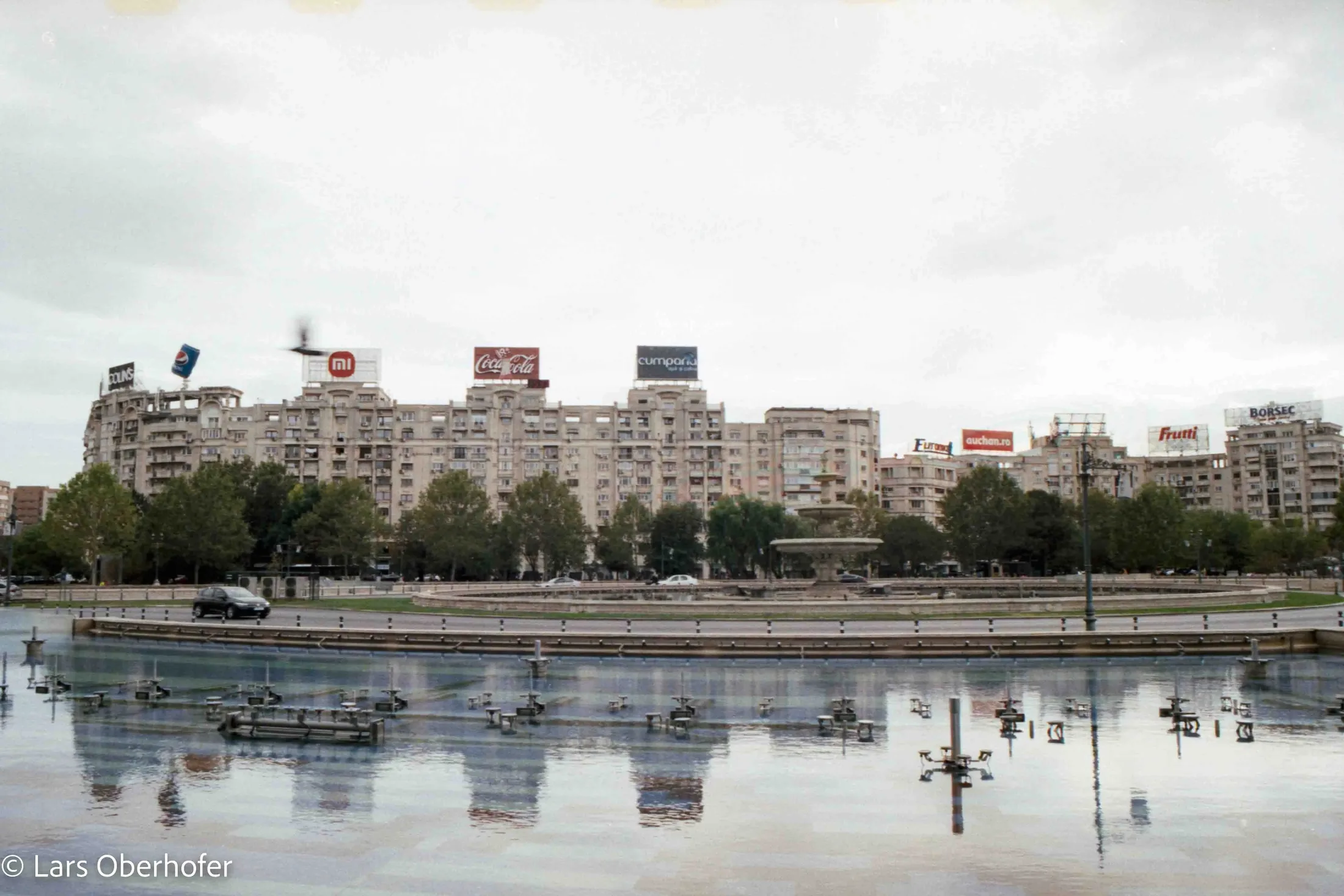
Apartment blocks reflected in still water
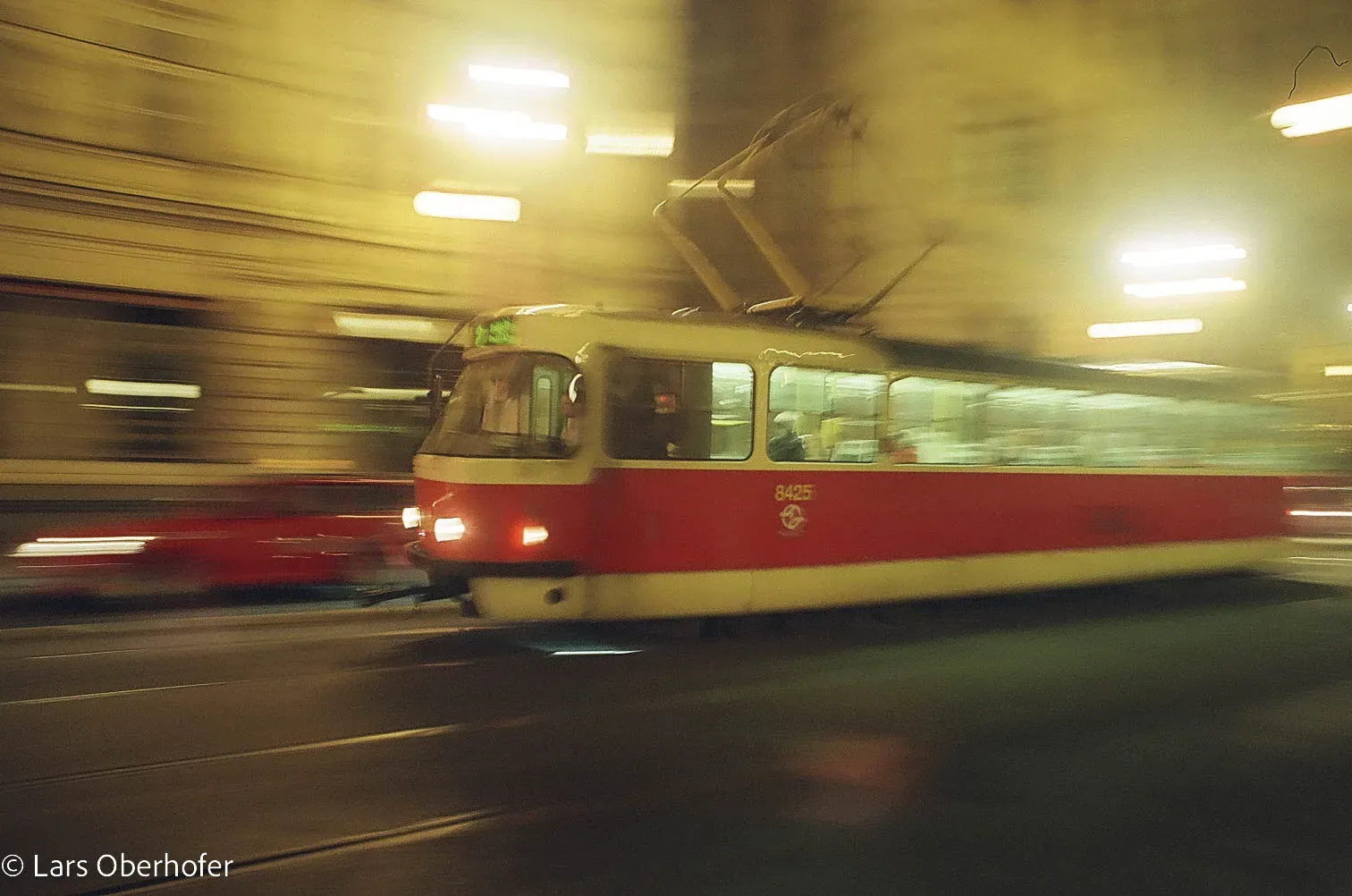
A red tram passing at night, blurred with motion
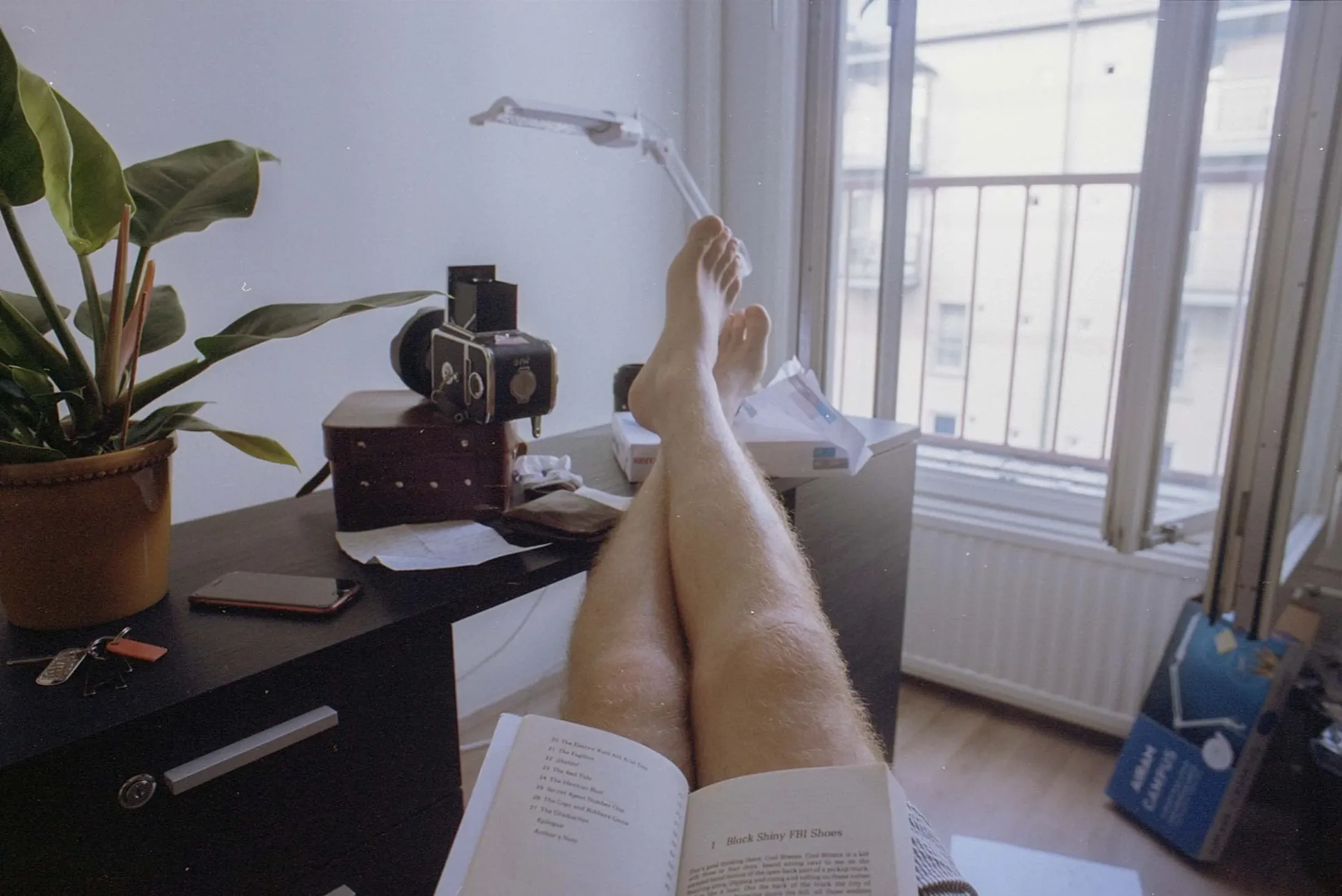
A book and feet in the foreground; a camera, plants and an open balcony door beyond
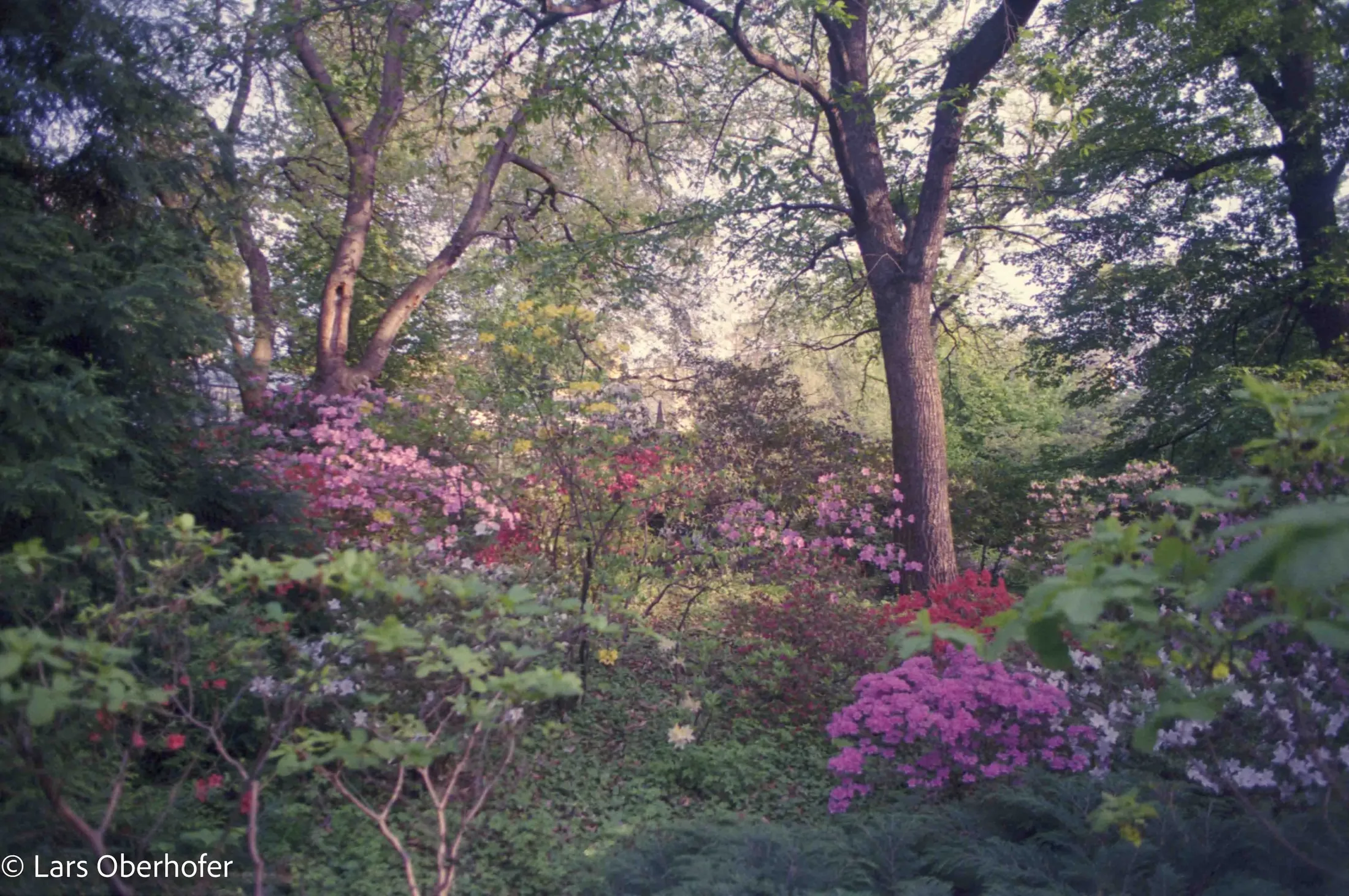
A garden with flowering rhododendrons under trees
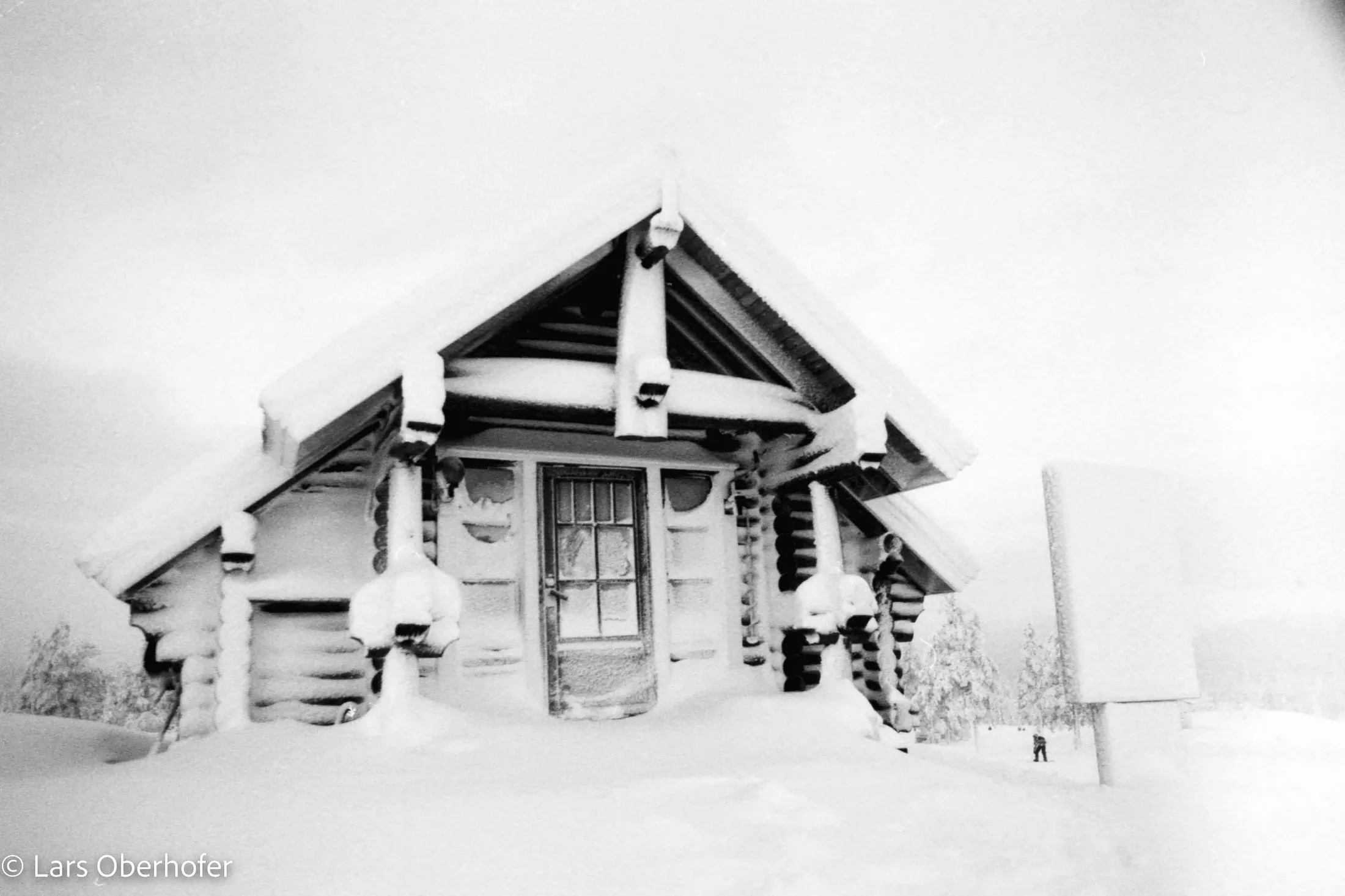
A wooden house under heavy snow, nearly white
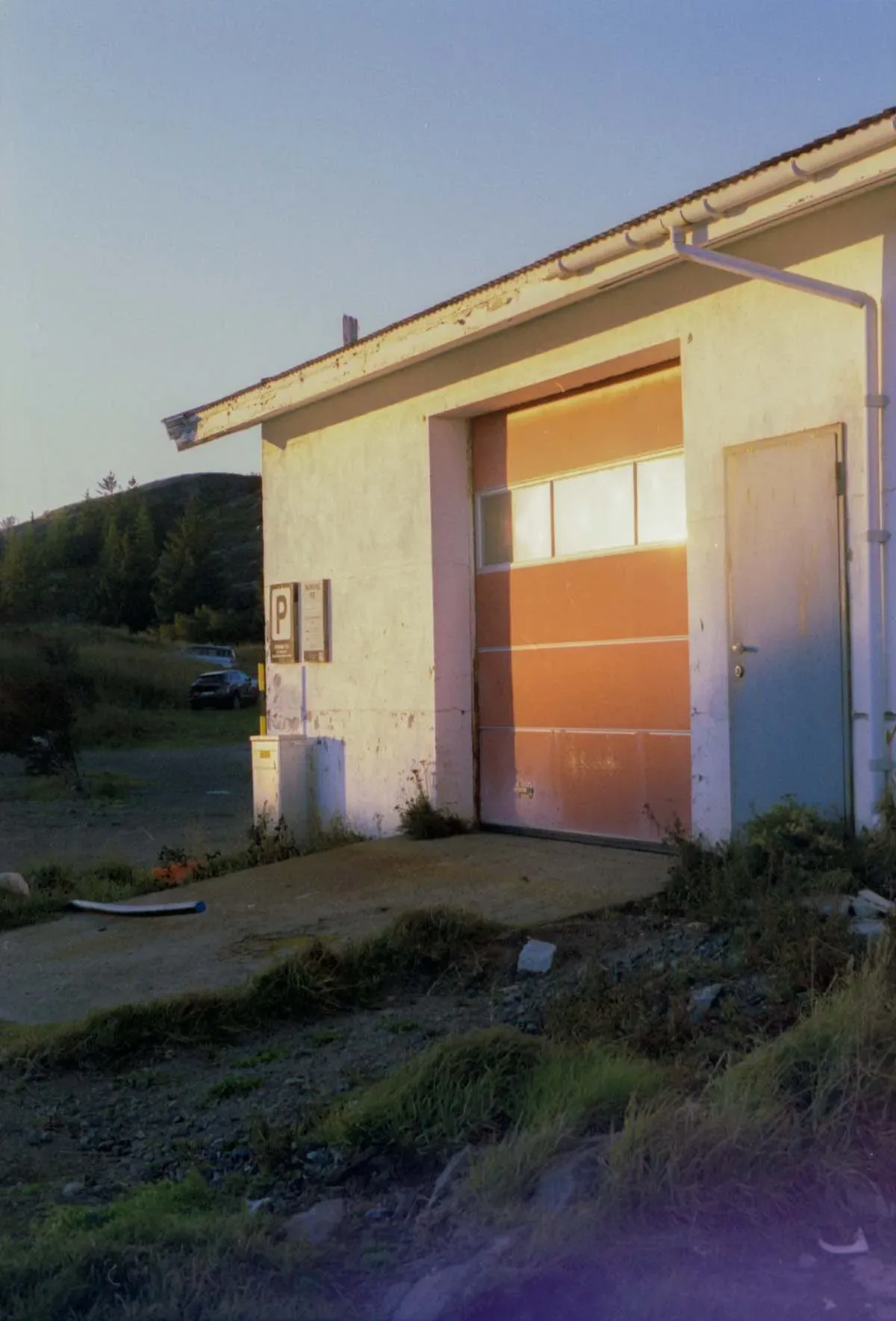
A garage with an orange door in low evening light
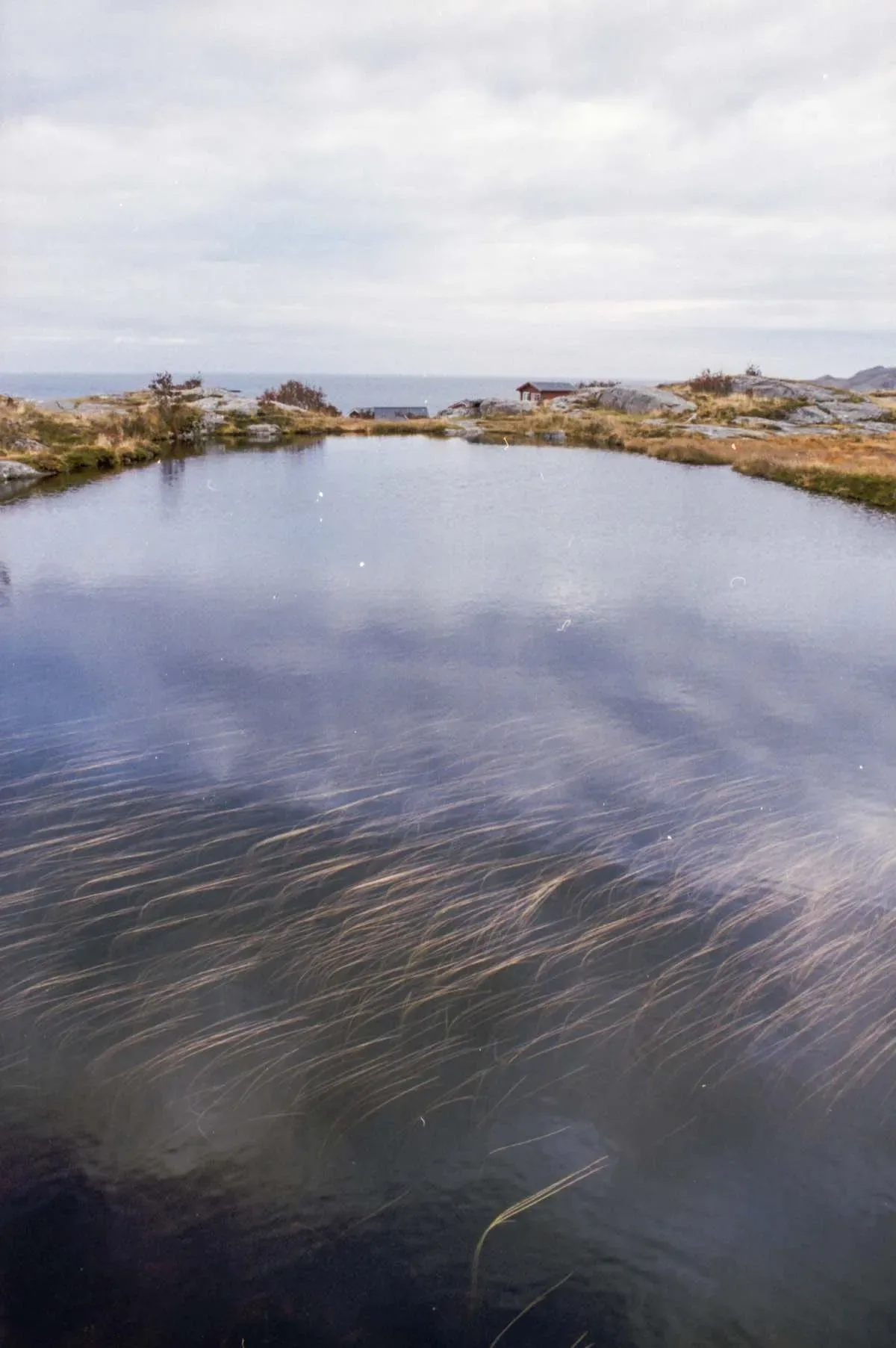
A still pond reflecting clouds, with water plants under the surface

Cameras

Old cameras pass through my hands: a FED-1 Leica copy, a Kiev 4, Zeiss Ikontas, a Braun Nizo for Super 8.

How a picture forms

Two settings decide an exposure: how long the shutter stays open, and how wide the aperture lets light in. Two pictures can be equally bright and look nothing alike. A long exposure blurs what moves; a wide aperture leaves only a thin slice in focus.

A fixed focal length is the best teacher: you can’t zoom, so you move, and you start seeing the frame.